%2Ffit-in%2F250x250%2Fguide_websites%2F10038%2Fimages%2Fchattanoogaflyfish.png&w=1920&q=100)
/users/6f2055ca-6847-49c6-bf67-d2360a6f98a3/ratecard/whitebass-mm9n75me.jpeg)
%2F300x300%2Fusers%2F6f2055ca-6847-49c6-bf67-d2360a6f98a3%2Fratecard%2Fwhitebass-mm9n75me.jpeg&w=256&q=75)
%2F300x300%2Fusers%2F6f2055ca-6847-49c6-bf67-d2360a6f98a3%2Fimages%2Fcutthroat-trout-tn-2731.jpg&w=256&q=75)
%2F300x300%2Fusers%2F6f2055ca-6847-49c6-bf67-d2360a6f98a3%2Fimages%2Fsmallmouth-bass-chattanooga-2724.jpg&w=256&q=75)
%2F300x300%2Fusers%2F6f2055ca-6847-49c6-bf67-d2360a6f98a3%2Fimages%2Fangling-adventure-chattanooga-2564.jpg&w=256&q=75)
%2F300x300%2Fusers%2F6f2055ca-6847-49c6-bf67-d2360a6f98a3%2Fimages%2Fwhite-bass-chattanooga-2665.jpg&w=256&q=75)
%2F300x300%2Fusers%2F6f2055ca-6847-49c6-bf67-d2360a6f98a3%2Fimages%2Fchattanooga-fishing-adventure-2714.jpg&w=256&q=75)
%2F300x300%2Fusers%2F6f2055ca-6847-49c6-bf67-d2360a6f98a3%2Fimages%2Fbarramundi-chattanooga-catch-2736.jpg&w=256&q=75)
%2F300x300%2Fusers%2F6f2055ca-6847-49c6-bf67-d2360a6f98a3%2Fimages%2Fchattanooga-largemouth-bass-catch-2696.jpg&w=256&q=75)
%2F300x300%2Fusers%2F6f2055ca-6847-49c6-bf67-d2360a6f98a3%2Fimages%2Fcrappie-caught-chattanooga-2782.jpg&w=256&q=75)
%2F300x300%2Fusers%2F6f2055ca-6847-49c6-bf67-d2360a6f98a3%2Fimages%2Fbest-great-chattanooga-fishing-2704.jpg&w=256&q=75)
%2F300x300%2Fusers%2F6f2055ca-6847-49c6-bf67-d2360a6f98a3%2Fimages%2Fwhite-bass-chattanooga-fishing-2637.jpg&w=256&q=75)
Beginner Bass Fishing in Chattanooga | River Trip
 Chattanooga
What you will be catching:
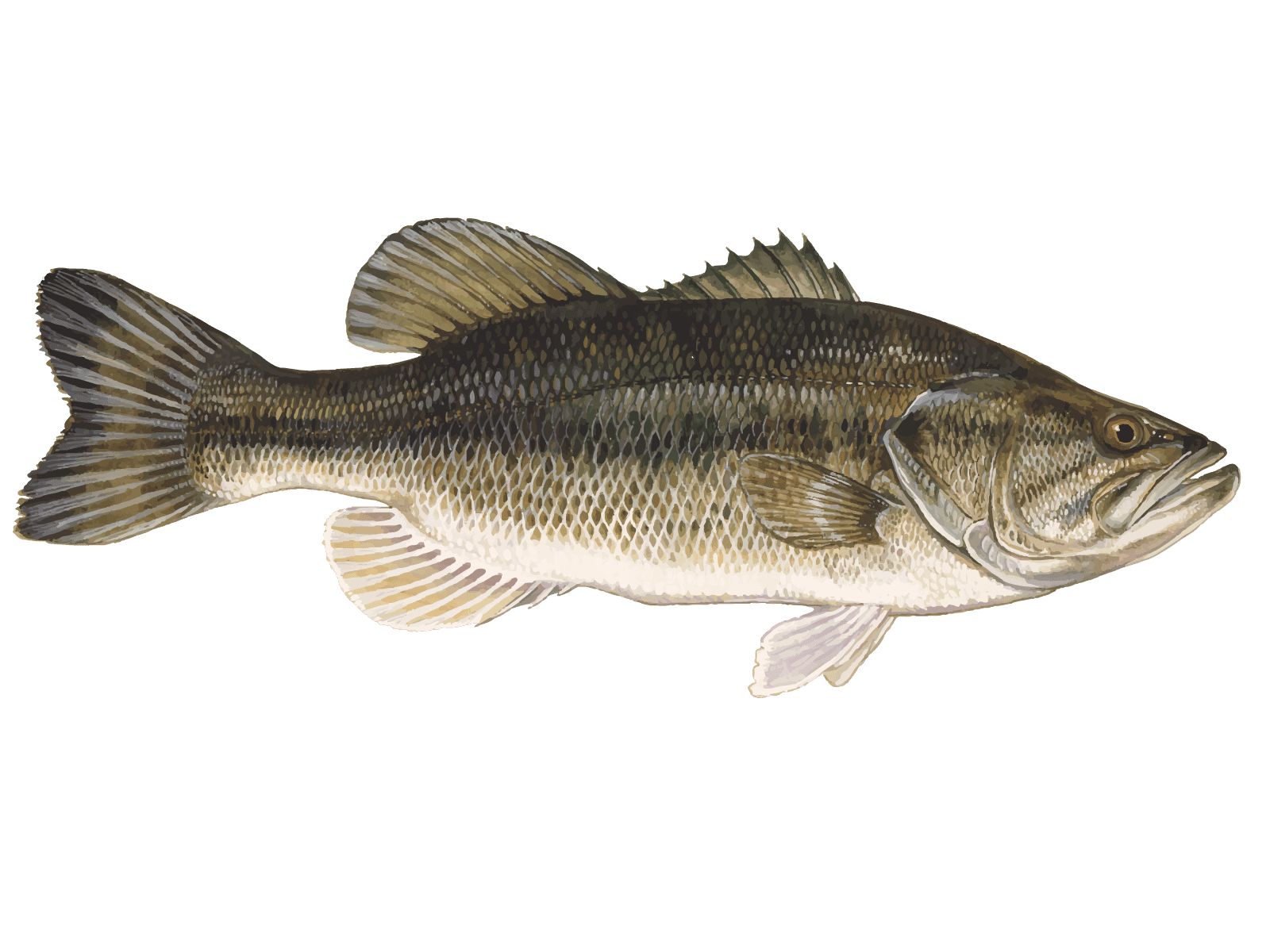
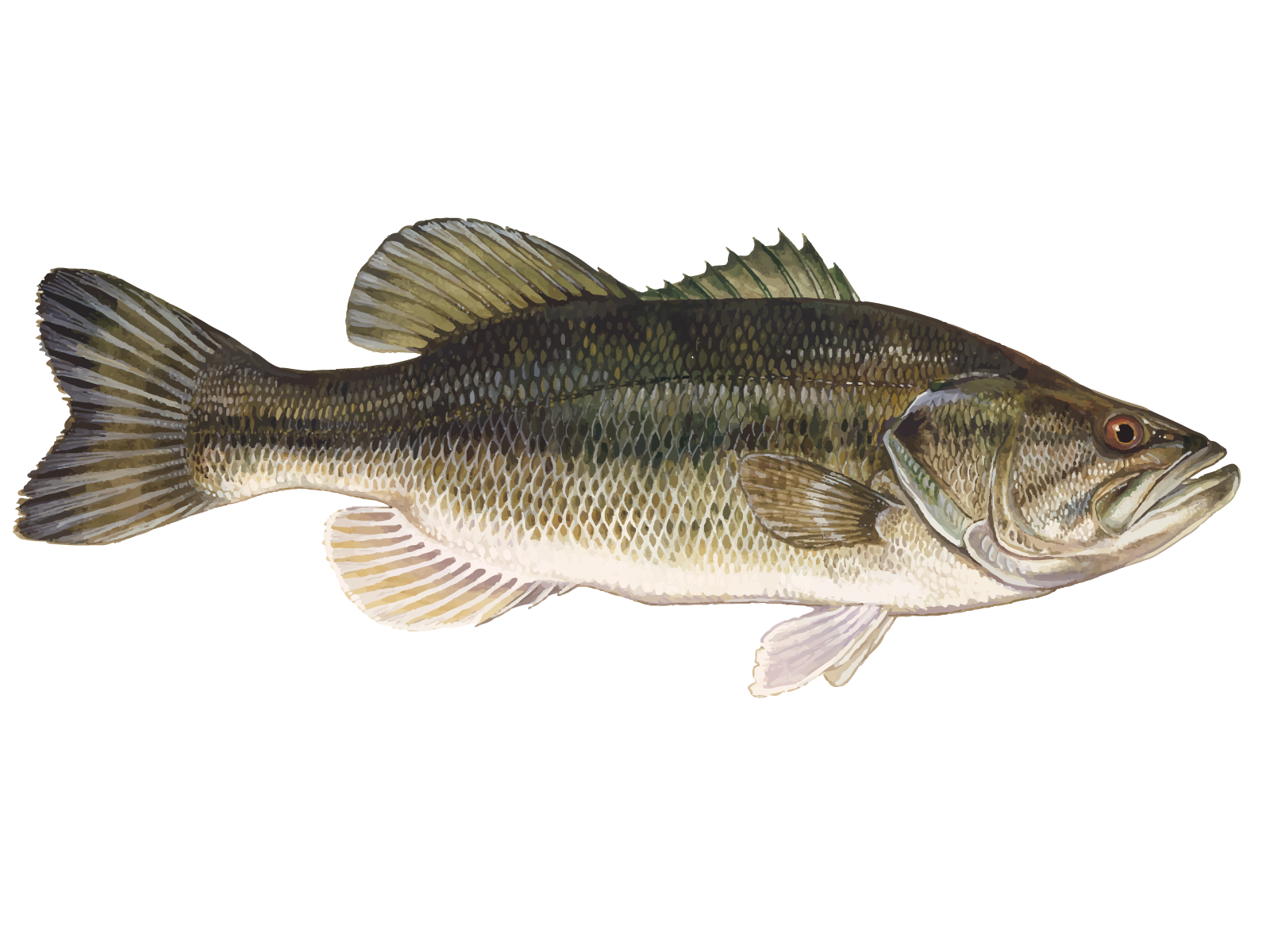 Largemouth Bass
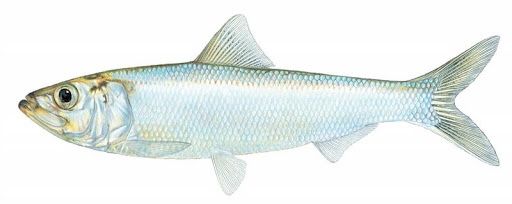 Skipjack Shad
 Smallmouth Bass
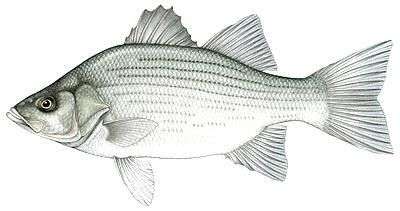
 White Bass
- Join us for a relaxed 2-hour wade fishing trip perfect for anyone new to fly fishing. We'll head out to clear, shallow waters just minutes from downtown Chattanooga where you can learn proper casting techniques while targeting bass in beautiful surroundings. All gear is provided, and you'll get hands-on instruction throughout the trip. We keep groups small with up to four people, so you get plenty of personal attention. Morning and evening trips work great for families or friends wanting to try something new together. The waters we fish are easy to navigate and offer great chances to hook into some nice bass while learning the basics of fly fishing.
Trip Pricing and Availabilities:
Chattanooga Bass Fishing for Beginners
Looking to try your hand at fly fishing without the intimidation factor? This beginner-friendly wade trip puts you right in the heart of some of Tennessee's best bass waters, just a stone's throw from downtown Chattanooga. Perfect for anyone who's curious about fly fishing but doesn't know where to start, this 2-hour guided experience gives you everything you need to get hooked on the sport. Whether you're planning a solo adventure or want to bring along friends and family, this trip delivers hands-on learning in waters that are forgiving for beginners but exciting enough to keep you coming back.
What to Expect on the Water
Your guide meets you at prime bass habitat where clear, shallow waters make it easy to spot fish and practice your casting technique. The setting couldn't be better - scenic river stretches that feel like you're miles from civilization, yet you're only minutes from Chattanooga's downtown core. This isn't about throwing you in the deep end and hoping for the best. Your guide starts with a personalized casting lesson right there on the water, working with you until the basic motions feel natural. The wade fishing approach means you're walking through knee-deep water, getting up close and personal with bass habitat while learning to read the water like a pro. Morning and evening sessions are both available, so you can pick the time that works best for your schedule. The whole experience is designed around building confidence, not just catching fish, though you'll definitely get plenty of shots at some serious bass.
Gear Setup & Techniques
All your fly fishing gear comes included, so you don't need to invest in expensive equipment before you know if this sport is for you. Your guide rigs up a rod that matches your skill level and explains the basics of fly line, leaders, and the flies that work best for Chattanooga bass. The technique focus is on simple, effective casts that get results - no fancy double hauls or complex presentations required. You'll learn the basic overhead cast, how to mend line in moving water, and most importantly, how to strip your fly to trigger strikes from aggressive bass. The wade fishing style means you're moving through the water strategically, approaching fish from the right angles and learning to use current and structure to your advantage. Your guide handles all the knot tying and fly selection, leaving you free to focus on casting and fish fighting. By the end of two hours, you'll have a solid foundation in fly fishing fundamentals that you can build on for years to come.
Species You'll Want to Hook
Largemouth Bass are the stars of the show here, and for good reason. These chunky, aggressive fish love the shallow, structured water you'll be wading through, and they're not shy about crushing a well-presented fly. Largemouths in these Chattanooga waters typically run 12 to 18 inches, with plenty of 2 to 4-pounders mixed in to test your drag system. Spring through fall offers the best action, but even winter days can produce when the weather's mild. What makes largemouths so perfect for beginners is their willingness to eat - they're opportunistic predators that will attack everything from poppers to streamers, giving you lots of chances to connect.
Smallmouth Bass bring a different kind of excitement to the trip. These bronze-backed fighters are pound-for-pound some of the strongest fish you'll encounter, known for their acrobatic jumps and bulldogging runs. Chattanooga's smallmouths average 10 to 14 inches but pack way more punch than their size suggests. They prefer rocky areas and current breaks, making them perfect targets for learning to read water structure. Late spring and early fall are prime time for smallmouth action, when they're feeding heavily in the shallows. The fight they put up will have you grinning from ear to ear and understanding why so many anglers become obsessed with smallmouth fishing.
White Bass show up in schools and can turn a slow day into non-stop action in minutes. These silvery speedsters are excellent for practicing your casting rhythm since they often feed aggressively on the surface. When you find a school of whites, you might catch a dozen fish in rapid succession, each one providing great practice for hook sets and fish handling. They're most active during their spring spawning runs and again in fall when they're chasing shad, but scattered fish can be found throughout the warmer months. White bass are perfect confidence builders for new fly anglers since they're aggressive and not too picky about fly presentation.
Skipjack Shad round out the mix and provide some of the most explosive action you'll find on any fly rod. These chrome-sided speedsters are pure energy, capable of long runs and surprising aerial displays. While they're not traditionally targeted by most bass anglers, they're incredibly fun to catch on fly gear and often show up while you're fishing for other species. Skipjack are most active during warmer months and can provide non-stop action when you find them schooled up. They're excellent for practicing your line management skills since they'll take you into your backing in a hurry if you're not ready.
Time to Book Your Spot
This beginner-friendly bass trip offers everything you need to discover why fly fishing has such a passionate following. You get expert instruction, quality gear, and access to some of Tennessee's best bass waters, all in a relaxed setting that builds confidence instead of frustration. With both morning and evening options available, it's easy to fit this experience into your Chattanooga visit or make it a regular part of your outdoor routine. The combination of multiple bass species, beginner-friendly instruction, and gorgeous scenery makes this a top-rated choice for anyone curious about fly fishing. Don't let another season pass wondering what you're missing - book your spot with Chattanooga Fly Fish and see what all the excitement is about.
Learn more about the species
Largemouth Bass
The king of freshwater fishing around here, largemouth bass typically run 12-24 inches and weigh 1-4 pounds in our local waters. You'll find them hanging around cover - fallen trees, weed beds, rocky points, and shallow structure where they can ambush prey. That famous big mouth extends well past their eyes, and they're not shy about using it. Spring through early summer is prime time when they're active in shallower water, though early morning and evening sessions produce best. What makes them special is that explosive strike and the fight they put up - they'll jump, shake, and test your drag. They're decent eating too from clean water. Here's a local trick: cast your popper or streamer right to the edge of cover, not over it. Let it sit a moment, then give it one sharp twitch.
Skipjack Shad
Known locally as "Tennessee tarpon," skipjack shad put on quite a show when they're feeding. These silver rockets jump clear out of the water chasing baitfish, which is how they got their name. They typically run 12-14 inches and travel in large schools through our river systems. You'll find them in faster-moving water with gravel or sand bottoms, especially around current breaks and deeper pools. Spring migration brings the best action when they're moving upriver to spawn. What makes them exciting is their acrobatic nature and the way they hit flies aggressively. They're not great eating, but many folks use them for catfish bait. The real fun is the visual fishing - watching them bust the surface and casting small streamers or nymphs into the feeding frenzy. Best tip: when you see them jumping, cast beyond the school and strip back through it fast.
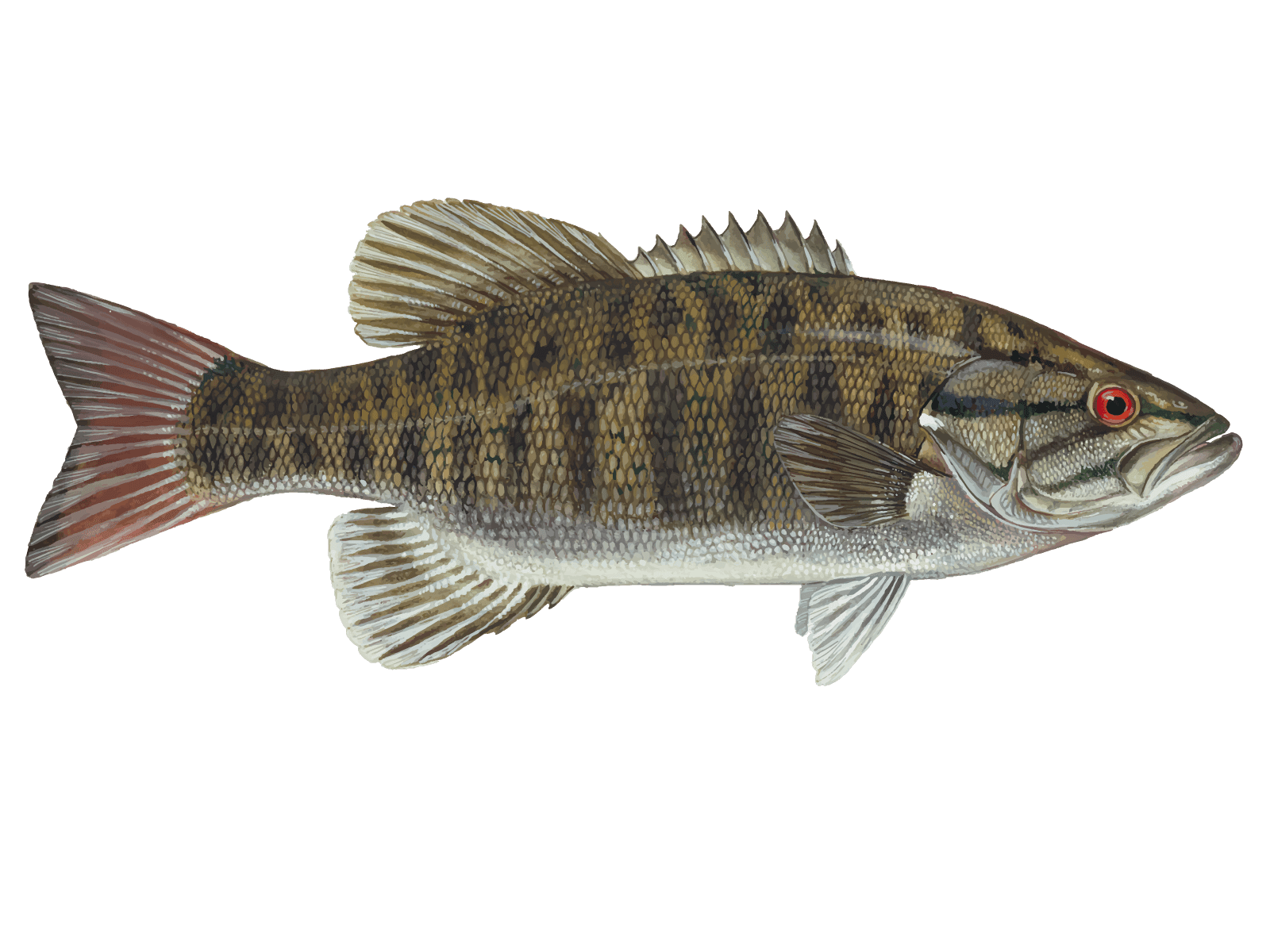
Smallmouth Bass
Often called the best fighting fish pound-for-pound, smallmouth bass are a real treat on fly gear. They average 12-16 inches here but pack serious power in that bronze-colored body. Look for them around rocky bottoms, ledges, and current breaks in our clearer waters. They prefer cooler temperatures, so they'll move deeper in summer heat but come up to feed morning and evening. Spring and fall are your best bets when they're active in shallower water. What sets them apart is that incredible fight - they'll jump repeatedly and make long runs that test your skills. Their red eyes and aggressive strikes make every hookup memorable. The meat is firm and tasty too. Pro tip for our waters: focus on transition zones where rocky bottom meets sand or gravel. A weighted nymph or small streamer bounced along that edge is money.
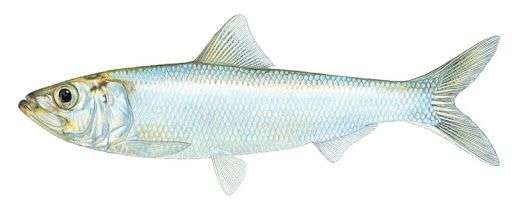
White Bass
These silver torpedoes are some of the most fun you'll have on light tackle. White bass run 10-12 inches typically, though we catch them up to 18 inches in our area. They travel in schools and love open water with current, especially around points and drop-offs near deeper channels. Spring is peak season when they're moving shallow to spawn, but they bite well into summer if you find the schools. What guests love is their aggressive nature - when you find one, there's usually more nearby. They hit hard and fight with surprising strength for their size. Plus, they're excellent table fare with firm, flaky white meat. The key to success is watching for birds diving or fish breaking the surface. When you see that commotion, get your small jigs or streamers in there fast and keep casting until the school moves on.